I've always loved the look of delicate silver necklaces. There's something so elegant and timeless about them. But I recently ran into a problem that I'm sure many other jewelry lovers have experienced: my brand new sterling silver necklace seemed to get damaged almost immediately after I bought it! I was so frustrated and started wondering if this was just normal.
I was so excited when I finally decided to treat myself to a beautiful, simple necklace. I envisioned wearing it every day, adding a touch of sparkle to my outfits. But after just one day, I noticed tiny scratches all over the surface. I was so careful, or so I thought! It made me question whether buying silver jewelry was even worth it.
I even remember visiting a high-end jewelry store, looking for a specific size adjustment and noticing they didn't have a lot of basic gold pieces. Maybe I should have gone with gold after all? I started researching online to understand what went wrong.
My research quickly revealed that sterling silver is, unfortunately, quite soft. It's almost inevitable that it will scratch with everyday wear. The high polish that makes it so attractive also makes those scratches incredibly obvious. It was a bit of a letdown, but at least I understood why it was happening.
I discovered I wasn't alone. Many people experience the same issue. Some people polish their silver jewelry after every single wear to keep it looking pristine. That seemed like a lot of work! I needed to find a more practical solution.
I decided to try a few different approaches to minimize scratching and keep my silver necklace looking its best. Here's what I learned:
I also came across some beautiful options that combine the look of silver with added protection. For instance, I found a lovely necklace on http://www.sumsfashion.com while browsing for alternatives.
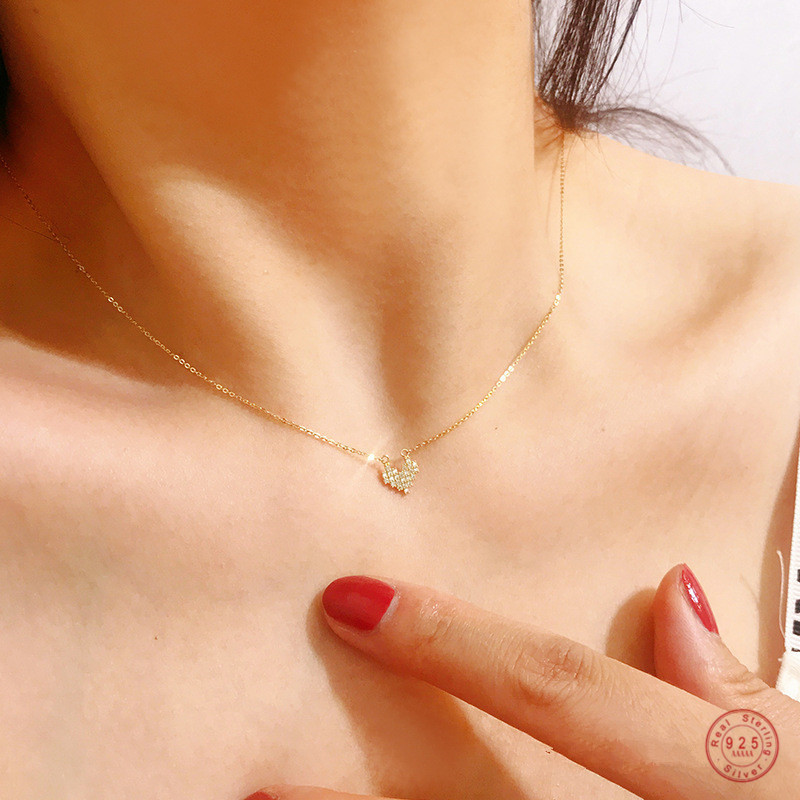
I decided to give the 925 Sterling Silver Simple Zircon Heart Pendant Clavicle Chain Necklace a try. What caught my eye was the 14k gold plating. I figured this would offer an extra layer of protection against scratches and tarnishing. I loved the simple zircon heart pendant, perfect for everyday wear. It’s delicate and feminine, exactly what I was looking for. The 14k gold plating really does seem to help protect the silver underneath. I've been wearing it regularly, and it still looks as good as new!
Another issue I encountered was tarnishing. My silver necklace seemed to lose its shine and develop a dull, dark coating over time. I learned that this is a natural process that occurs when silver reacts with sulfur in the air.
I discovered that some brands don't rhodium plate their silver. This means the silver tarnishes much more quickly. Rhodium plating is a protective layer that helps prevent tarnishing. I wish I had known this before buying my first necklace!