I've always loved jewelry, especially gold. There's something timeless and elegant about it. But when it came time to choose the gold for my own special pieces, like my engagement ring, I was faced with a dilemma: 14k gold or 18k gold? It seemed like everyone had an opinion, and I found myself completely overwhelmed. I spent hours researching and talking to jewelers, but the information was conflicting. This is my personal journey and what I discovered along the way about choosing between 14k gold and 18k gold.
My biggest concern was durability. I wanted something that would last, especially for everyday wear. I'd heard stories of 18k gold being softer and more prone to scratches than 14k gold. Was this true? Would my ring look worn and damaged after just a few years? On the other hand, I also wanted a rich, vibrant gold color. I knew that 18k gold had a higher gold content, so would it look significantly better than 14k gold? These questions swirled in my head as I tried to make a decision.
I started by looking into the actual gold content. I learned that 18k gold is 75% pure gold, while 14k gold is about 58.3% pure gold. The rest of the metal is made up of alloys like copper, silver, and zinc. I read that the higher the gold content, the softer the metal. This made me lean towards 14k gold for its supposed durability. However, I also wanted to know more about the actual differences in real-world wear and tear.
I remember talking to a friend who owned several pieces of both 14k and 18k gold jewelry. She told me that, in her experience, the difference in durability was minimal. She hadn't noticed any significant difference in wear between her 18k and 14k pieces. This was a relief! She suggested that I focus on the color of the gold instead.
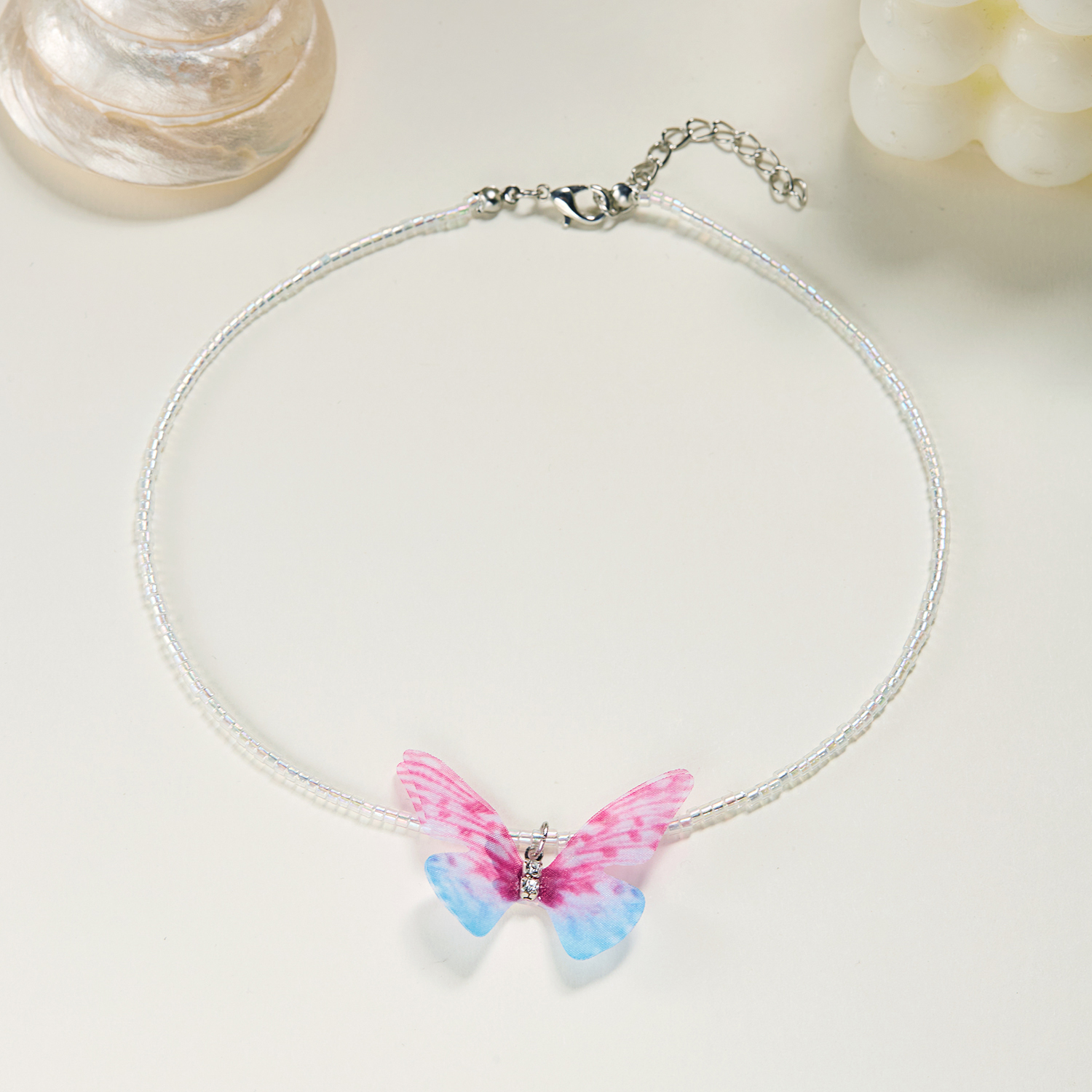
That's when I started paying close attention to the color variations. I noticed that 18k gold had a richer, more saturated yellow hue. 14k gold, on the other hand, was slightly lighter and more subtle. The difference was noticeable, but not drastic. The color difference really depends on the alloy mixed in. For example, I've been looking for a delicate and eye-catching necklace for parties. I recently found this Fancy Colorful Yarn Butterfly Crystal Necklace and the colorful rice beads really make it stand out. It's perfect for adding a touch of whimsy to any outfit.
I also learned that the color of rose gold is affected by the gold content. 14k rose gold tends to be pinker, while 18k rose gold is more of a subtle rose color. This is because of the higher copper content in 14k rose gold.
While it's true that 18k gold is softer than 14k gold, the difference in durability is often overstated. The actual wear and tear on a piece of jewelry depends on many factors, including the design of the piece, how it's made, and how it's worn. A well-made 18k gold ring, worn with care, can last just as long as a 14k gold ring.
I even heard an interesting perspective that some people might disagree with: the idea that 14k gold is often pushed because it's cheaper. In some cultures, like in India, 22k gold is the norm, and these pieces have been passed down for generations. This made me question the assumption that 14k gold is always the better choice for durability.
Ultimately, I chose 18k gold for my engagement ring. I loved the richer color and the slightly more luxurious feel. I also decided to be extra careful with my ring, taking it off when doing housework or working out. So far, it's held up beautifully! I haven't noticed any significant scratches or wear.
Here are some practical tips based on my experience to help you choose between 14k and 18k gold: