I've always been fascinated by jewelry. From delicate necklaces to statement rings, I love how a piece of jewelry can complete an outfit and express my personality. When I started getting serious about building my collection, I quickly realized I needed to understand the different types of gold used in jewelry making, specifically the difference between 14k gold and 18k gold. It felt like a whole new world, and I wanted to make informed choices about my purchases.
Like many people, I initially thought that the higher the karat, the better the gold. I envisioned 18k gold as the ultimate luxury, but I soon learned it wasn't that simple. I started noticing that some of my 18k pieces seemed to scratch more easily than my 14k ones. I was confused. Was I doing something wrong? Was 18k gold really as durable as I thought? I began to research and ask around, trying to understand the real differences between these two popular options.
My initial question was: which one is more durable? I wanted my jewelry to last, so durability was a key factor. I also wanted something beautiful, so the color was important too. It seemed like a trade-off, and I needed to figure out which was more important to me.
I dove deep into researching the composition of 14k and 18k gold. I discovered that 18k gold is 75% pure gold, while 14k gold is about 58.3% pure gold. The remaining percentage in each alloy is made up of other metals, like silver, copper, and zinc. These metals are added to increase the gold's strength and durability. This explained why my 18k pieces seemed softer – they simply had a higher percentage of pure, soft gold.
However, I also learned that the difference in durability is not as dramatic as I initially thought. Several jewelers and friends I spoke to mentioned that they hadn't noticed a significant difference in wear between their 14k and 18k pieces. This was reassuring. It seemed that other factors, such as the design of the piece and how I cared for it, played a bigger role.
With the durability question somewhat settled, I started focusing on the color difference. I realized that the color of gold can vary depending on the other metals in the alloy. For example, rose gold gets its pinkish hue from copper. I found that 14k rose gold tends to be pinker than 18k rose gold, because it contains a higher percentage of copper.
This was a game-changer for me. I love the look of rose gold, and I wanted a piece that was noticeably pink. So, I decided to purchase a 14k rose gold bracelet. It's now one of my favorite pieces! I particularly enjoy browsing SumsFashion Chains for interesting rose gold pieces. They have a great selection and I always find something that catches my eye.
I've now had both 14k and 18k gold jewelry for several years, and I can honestly say that I haven't noticed a significant difference in their wear. I'm careful with all my jewelry, regardless of the karat. I take them off before showering, exercising, or doing housework. I also store them properly in a jewelry box to prevent scratches and tarnishing.
One thing I have noticed is that the color of my 14k rose gold pieces has remained more consistent over time. My 18k rose gold pieces have developed a slightly warmer tone, which I actually like. However, if you prefer a consistent, vibrant pink, 14k rose gold might be a better choice.
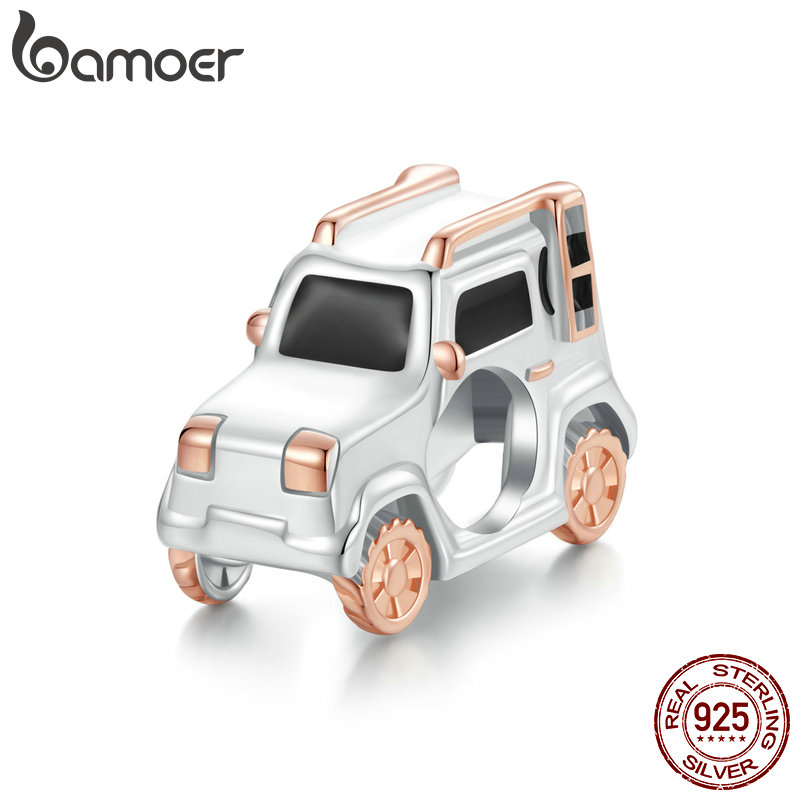
Speaking of bracelets, I recently got a charm bracelet and I'm obsessed with adding unique charms. I found a really cute Jeep charm from Sumsfashion. It's 925 sterling silver with rose gold plating and it's the perfect addition to my bracelet. I love how it adds a personal touch to my jewelry. It’s durable too, which is a big plus.
Based on my experiences, here are some practical tips to help you choose between 14k and 18k gold: